Exhibit type: schematic reconstruction, video mapping - animation
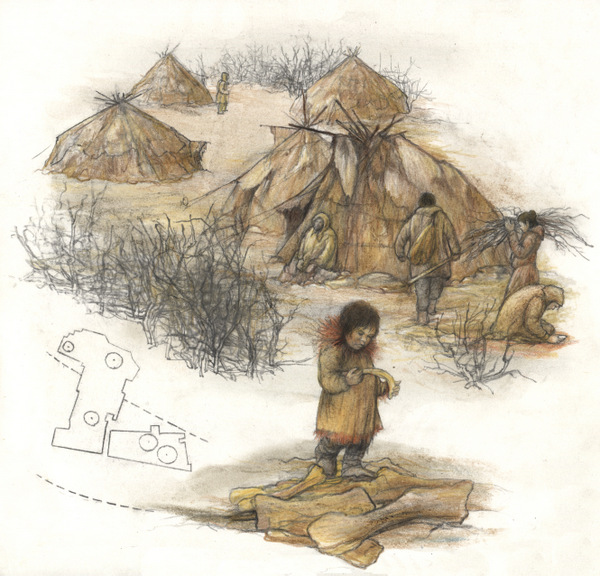
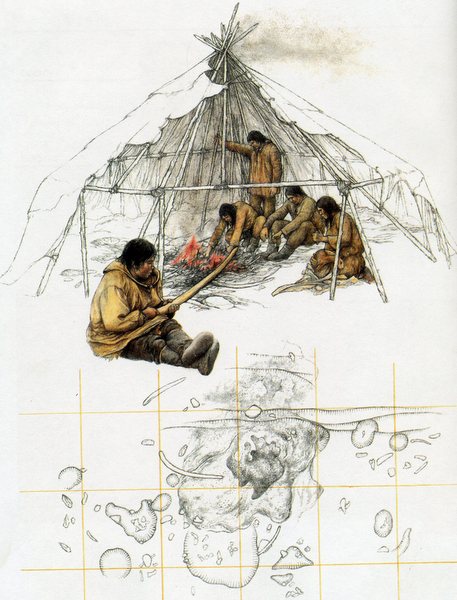
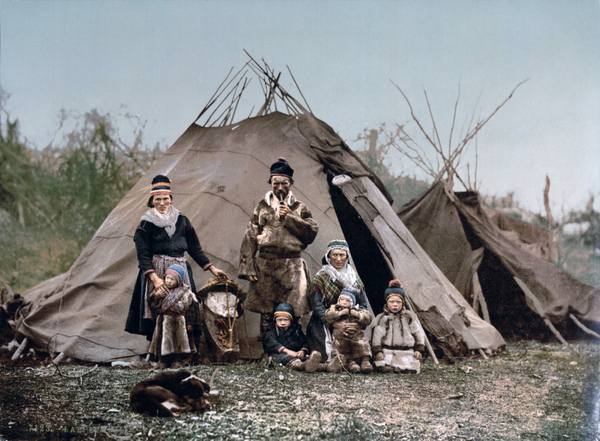
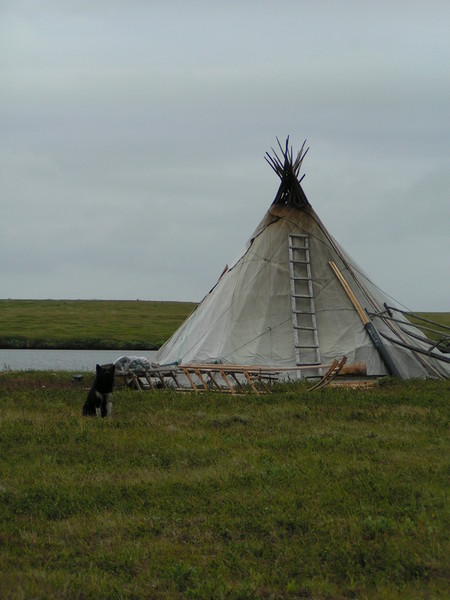
The diameter of such a unit tended to be uniform – about 5 metres. Above it, our reconstruction of the hut, made from wooden supports and a covering of animal hides, is derived from the shapes and building techniques tried and tested for thousands of years in the cold, sub-Arctic regions of North America and Asia. Such a structure (teepee, yurt or chum) must have a simple yet strong design, be easy to heat, must be wind-proof and also be ready to withstand the weight of a heavy covering of snow. A large hunting settlement like Dolní Věstonice or Pavlov, for example, would have been made up of several settlement units, although they may not have all existed contemporaneously as a single village.